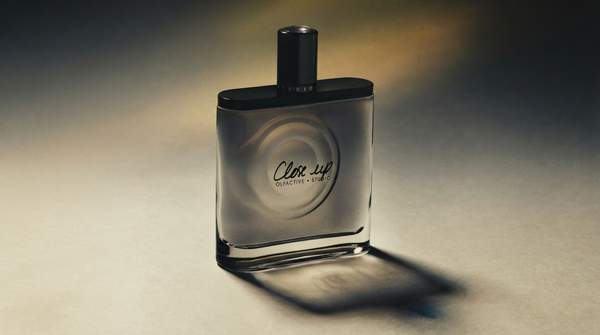
The single variable that separates an Eau de Cologne from an Extrait de Parfum is the share of fragrance oil dissolved in the alcohol base—and that percentage drives everything a discerning buyer cares about: how long the scent lasts, how far it travels, and where it belongs. If you want an all-day signature for the office, an Eau de Parfum is the most versatile answer; for summer refreshment, an Eau de Toilette or Cologne; for evenings and special occasions, an Extrait. Here is the comparison, and the reasoning behind each choice.
Understanding Fragrance Concentrations: More Than Just a Name
Perfume concentration refers to the amount of perfume oils in a fragrance, which determines its strength, longevity, and projection, as Scento's editorial guide explains. The hierarchy runs from the lightest—eau fraîche—up through cologne, eau de toilette, and eau de parfum, to extrait de parfum, the strongest. One caution before comparing numbers: these percentages are typical industry ranges for ethanol-based fragrances, not fixed definitions that every brand must follow, as VINEVIDA's guide by Jason Guadayo notes. Actual performance also varies with individual skin chemistry and the specific formulation, so treat the figures below as reliable tendencies rather than guarantees.
Fragrance Concentration Comparison: Find Your Perfect Scent
The table below juxtaposes the four main concentrations side by side, drawing on published ranges from several specialist guides. The trade-off it reveals is consistent: as oil content rises, wear time lengthens and the scent sits closer to the skin, while lighter concentrations project a fresher initial cloud that fades faster.
| Concentration | Oil Percentage | Typical Longevity | Projection / Sillage | Best For |
|---|---|---|---|---|
| Extrait de Parfum (Parfum) | 20–40% | 8–12+ hours; some sources say up to 24 | Intimate, close to the skin | Evenings, special occasions, cool weather |
| Eau de Parfum (EDP) | 15–20% | 6–10 hours | Moderate; roughly 1–2 metres | Everyday, work, date night, all seasons |
| Eau de Toilette (EDT) | 5–15% | 3–6 hours | Subtle, light cloud | Daytime, summer, office, casual settings |
| Eau de Cologne (EDC) | 2–5% | 2–4 hours | Very light, skin-only | Refreshing, after a shower, hot days |
Reading the table as a decision tool: the Extrait row trades broad projection for maximum duration, the Cologne row does the opposite, and the two middle rows split the difference at different price points. That is the essential trade-off between cost, intensity, and duration.