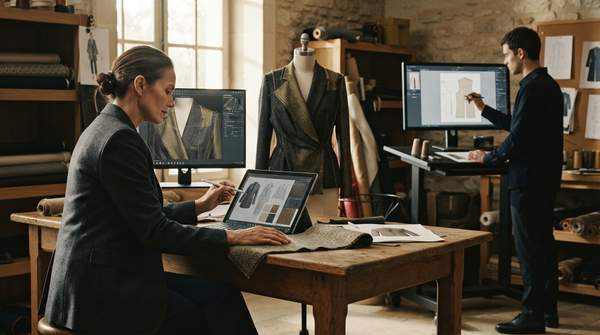
Ten ready-to-wear collection samples, once physical prototypes, are now being developed as short videos, signaling a quiet revolution in how fashion is conceived and presented. The development of ten ready-to-wear collection samples as short videos, driven by advances in digital design and animation, redefines the initial output of the design process from a tangible object to a dynamic digital experience, influencing fashion industry trends for 2026 and beyond. The development of digital design and animation represents a significant departure from established manufacturing practices.
Fashion has historically been defined by tangible garments and physical experiences, but its future is increasingly being shaped by intangible 3D virtual designs and digital platforms. The shaping of fashion's future by intangible 3D virtual designs and digital platforms creates a fundamental tension between tradition and technological advancement. The industry grapples with adopting new methodologies while preserving its artisanal heritage.
The industry is poised to see a significant reallocation of resources from physical prototyping to digital development, potentially blurring the lines between fashion, tech, and entertainment. The reallocation of resources from physical prototyping to digital development threatens the traditional physical production pipeline for initial collections. The reallocation of resources from physical prototyping to digital development is not merely an efficiency gain but a radical redefinition of 'garment' itself.
The Digital Loom: Crafting Fashion Beyond Fabric
Ten ready-to-wear collection samples were developed as short videos to visualize aesthetic and technological explorations of 3D dynamic fashion garments, according to pmc. The development of ten ready-to-wear collection samples as short videos indicates a move towards more efficient, sustainable, and visually dynamic prototyping methods, reducing the need for physical samples. The capacity to iterate rapidly within a virtual environment allows designers to refine concepts with greater precision and speed.
Companies still relying solely on physical prototypes for ready-to-wear collections are not just incurring higher costs but are missing critical opportunities to iterate faster and explore dynamic aesthetics only possible in a virtual space. The environmental benefits of reduced material waste and logistics associated with physical sampling also become increasingly compelling. Virtual garments can achieve a level of conceptual and interactive complexity that physical samples cannot, opening up entirely new forms of fashion expression beyond static display.
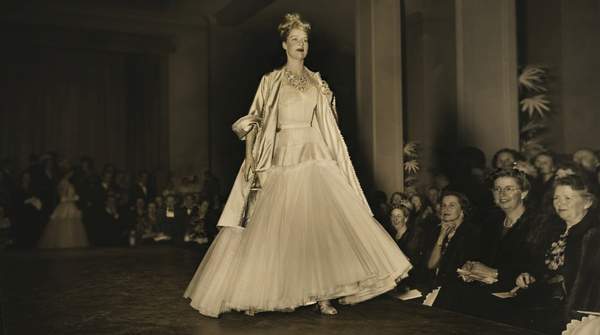
Beyond the Runway: Virtual Garments and New Frontiers
The study identified potential future prospects for 3D virtual garments in the fashion and gaming industries, as reported by pmc. The integration of virtual fashion into gaming and other digital realms represents a significant expansion of the industry's market reach and revenue opportunities, moving beyond traditional retail. The integration of virtual fashion into gaming and other digital realms signifies that the primary output of a fashion collection might increasingly be digital assets for virtual experiences rather than solely physical garments for retail.
The convergence of fashion and gaming, driven by 3D virtual garments, signals that future fashion houses will compete not just on runways but within digital metaverses, demanding a complete overhaul of distribution and marketing strategies. The convergence of fashion and gaming, driven by 3D virtual garments, necessitates a shift in focus from physical retail spaces to digital storefronts and immersive virtual experiences. Future collections will likely be designed with both physical and digital applications in mind.
How is digital design changing the fashion industry?
Digital design is fundamentally altering the fashion industry by enabling faster prototyping, reducing material waste, and facilitating global collaboration. It allows for the creation of intricate designs that are difficult to achieve physically, alongside providing immediate visual feedback for designers. This accelerates the entire product development lifecycle from concept to market.
What skills are needed for digital fashion design in 2026?
Designers in 2026 require proficiency in 3D modeling software such as Marvelous Designer and ZBrush, alongside strong animation principles and an understanding of virtual textile properties. Expertise in rendering and real-time visualization engines is also crucial for creating compelling digital garments. A foundational understanding of user experience and interface design for digital platforms will also become increasingly relevant.
How can fashion brands leverage AR/VR for design and presentation?
Fashion brands can leverage Augmented Reality (AR) and Virtual Reality (VR) to offer virtual try-on experiences, enabling customers to visualize garments on themselves without physical interaction. These technologies also facilitate immersive brand experiences and virtual showrooms, allowing for global product launches and collaborative design sessions in shared digital spaces. For instance, a brand could host a virtual fashion show in a metaverse environment, reaching a global audience simultaneously.
By Q3 2026, luxury brands like Hermès, if they do not aggressively integrate 3D virtual prototyping and digital-first collection strategies, risk ceding significant market agility and consumer engagement to digital-native competitors who can launch collections in a fraction of the time and cost.