Fashion archives have moved from back-room storage to the center of brand strategy, and the brand archivist is the person who makes that possible. The most useful way to understand the shift is through what industry analyst Giada Graziano has termed "archival luxury": three distinct strategic models through which brands convert history into value — heritage as a creative foundation for new products, heritage as a brand experience and storytelling engine, and heritage as a blueprint for long-term strategy. Each model demands different work from the archivist, from curating reference material for design teams to contextualizing pieces for public engagement to actively managing what scholars call the "corporate identity mix" of reputation, image, and values.
The Strategic Imperative of Fashion Archives
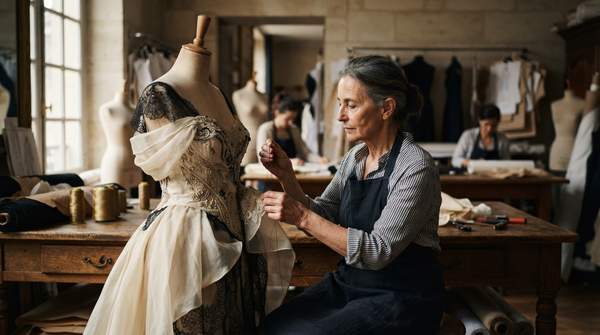
A fashion archive is not simply a warehouse of old clothes. As the insurance and collections specialists at Arte Generali describe, these are organized collections of garments, accessories, sketches, photographs, documents, and textile materials that bear witness to the production and stylistic evolution of a brand or designer — and safeguarding them means protecting stories, techniques, creative visions, and cultural values, not merely fabric. That framing matters because it explains why archives have become commercially decisive rather than merely sentimental.
The commercial pressure comes from changing client expectations. Reporting from an EY conference on winning back aspirational luxury clients in Milan, Graziano relayed a blunt message from luxury executives: "People don't want the loudest brand anymore. They want the most authentic one. And authenticity, craft, and story — those live in the archive." In a market where authenticity is the differentiator, the archive stops being a cost center and becomes the brand's most defensible asset — one competitors cannot copy, because no rival can own another house's history.
The Archivist's Central Role in Corporate Identity
The archivist's responsibilities span the practical and the strategic. On the practical side, the role involves preserving and cataloging assets so they remain usable: garments, sketches, photographs, and documents must be organized, condition-managed, and retrievable. On the strategic side, the archivist operates within what Paul C. Lasewicz, writing in The American Archivist, identifies as the "corporate identity mix" — the wide range of intangible, usually externally facing assets of a corporation encompassing reputation, brand, public image, values, and ethics. Heritage, in this scholarly framing, is not passively inherited; it must be actively managed.
Lasewicz's synthesis of academic studies is explicit that this process is "strategic, purposeful, and agentic." It requires proactive managers to "uncover" aspects of heritage through archival and consumer research and then "activate" those findings. For a fashion house, that means the archivist does not wait for a designer to request a 1960s print; the archivist researches what the heritage contains, decides what is worth surfacing, and connects it to the brand's current direction. The cautionary example Lasewicz cites — AT&T's failure to fully ground new strategic directions in its legendary past during organizational change, which he reports prevented the firm from gaining sufficient constituent commitment — illustrates the cost of neglecting this work during precisely the moments, such as a creative-director transition, when fashion brands most need their archives.
Strategic Framework: Heritage as a Creative Foundation
The first and most visible strategic model treats the archive as a living laboratory for new product development. As Joe Rubald explains in his survey of fashion archives, contemporary designers find the archive "not a relic of the past but a living, breathing laboratory" — a rich source of inspiration where a 1920s silhouette, a Renaissance embroidery technique, or a bold 1980s palette can spark a fresh idea. The strategic point is that this is reinterpretation, not reproduction: historical pieces are translated for modern audiences.
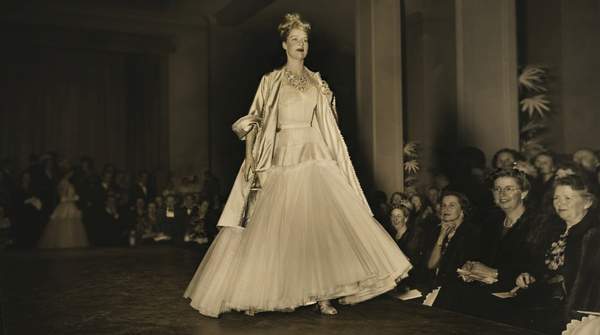
The evidence from brand practice is extensive. Rubald points to Gucci under Alessandro Michele, whose designs drew on archival prints and silhouettes from the 1960s through the 1980s to create a retro-inspired aesthetic that transformed the brand's heritage into a vibrant, modern identity, and to Dior, whose successive creative directors have consistently looked to the house's storied past. Graziano's analysis extends the pattern to the current generation of creative leaders — Chanel, Dior, and Gucci under new creative direction — observing that a new creative director's first move is so often the archive because it is the fastest route to resetting brand identity authentically. The archivist's contribution here is curatorial: making the right historical assets accessible to design teams and ensuring historical context and authenticity survive the translation into new work.
Strategic Framework: Heritage for Brand Experience and Storytelling
The second model converts the archive from an internal resource into a public one. Arte Generali notes that beyond inspiring the brand itself, the archive can become a direct point of contact with customers, citing Armani Silos in Milan — a museum-archive gathering more than forty years of Giorgio Armani's creations, organized by themes such as "Androgynous," "Ethnicities," and "Stars." Exhibitions, museum spaces, and heritage-driven campaigns turn static garments into narratives that reinforce a brand's cultural significance and appeal to new generations of consumers.
This is where the archivist's research skills face outward. Mounting an exhibition or building a marketing narrative requires provenance, dating, and context for each piece — the difference between a dress in a vitrine and a story a visitor remembers. The archivist contextualizes historical material for public engagement, transforming preserved items into the storytelling raw material that marketing and communications teams deploy. In Graziano's framework, this model is distinct from the creative foundation precisely because its audience is external: the goal is consumer connection and cultural resonance rather than a garment on the runway.
Strategic Framework: Heritage as a Blueprint for Future Strategy
The third model is the least visible but arguably the most consequential: the archive as a strategic corporate asset that informs long-term direction. Graziano's analysis positions heritage as shaping not only product and storytelling but business models themselves. The scholarly grounding comes from Lasewicz's finding that an organization's history can be a rare and inimitable resource contributing to the intangible assets of the corporate identity mix — reputation, brand, image, values, and ethics.
For a fashion brand, the blueprint function means the archive answers questions that determine the future: what the brand's enduring codes are, which elements of identity must be preserved through creative transitions, and how far reinvention can travel before it breaks the brand's claim to its own past. The archivist's contribution, as supported by the evidence, operates through managing that corporate identity mix — preserving and enhancing reputation, image, and values so that the brand's past aligns with its future strategic direction. The evidence supports this model's purpose in informing long-term strategy and identity management; the archivist's specific role in market positioning and business negotiations is documented here only at the level of identity stewardship, not deal-making.
Strategic Models of Archival Luxury
The three models can be used as a decision matrix: a brand manager or designer can locate a planned archival activity in the table below, identify which strategic purpose it serves, and see what the archivist must contribute to execute it well. The categorization matters because activities that look similar — pulling a sketch for a designer versus pulling the same sketch for an exhibition — serve different goals and require different archival work.
| Strategic model | Purpose | Archivist's contribution |
|---|---|---|
| Heritage as a creative foundation | Inspire new product lines and reinterpret classic designs for modern audiences | Curate relevant historical assets for design teams, maintaining historical context and authenticity in new creations |
| Heritage as a brand experience and storytelling | Create immersive experiences, exhibitions, and marketing narratives that reinforce cultural significance for new generations | Research and contextualize historical pieces, transforming static items into dynamic narratives that build consumer connection |
| Heritage as a future blueprint | Inform long-term brand strategy and serve as a strategic corporate asset for maintaining reputation and values | Manage the corporate identity mix — reputation, image, and values — so the brand's past aligns with its future direction |
Read as a framework, the matrix shows that the same archive performs three different jobs, and that a brand's archival strategy should be explicit about which job each initiative performs. A house planning a heritage capsule collection, a retrospective exhibition, and a creative-director transition is running all three models simultaneously — and each demands the archivist's distinct capabilities.
Leveraging Your Brand's Heritage for Future Success
Fashion brands should proactively invest in and strategically utilize their archives, guided by a dedicated archivist, to reinforce authenticity, inspire innovation, and build lasting consumer connections. The evidence converges on a clear principle: heritage only creates value when it is uncovered and activated, not merely stored. The AT&T case Lasewicz documents shows the downside of a brand failing to ground change in its past; Gucci, Dior, and Armani show the upside of doing so deliberately.
For the reader deciding whether the investment is justified, the measurable indicator is increased engagement with brand heritage in new collections, marketing campaigns, and strategic communications. A brand can watch for archival references appearing in its collections, heritage-driven narratives in its campaigns, and its history being cited in strategic moments such as leadership transitions. For those considering the career path, the same indicator defines the role: the archivist is the professional whose research, curation, and identity stewardship make each of those engagements possible — the operator behind fashion's turn toward its own past as its most forward-looking asset.