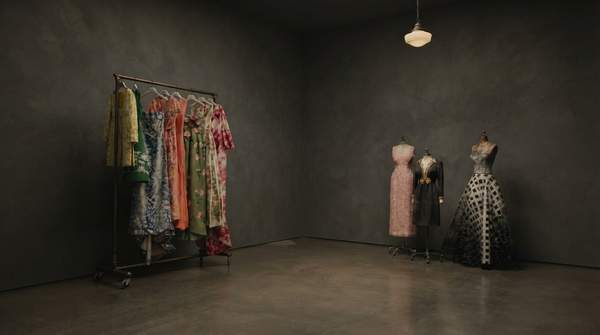
The fashion archivist inside a luxury house is no longer a quiet custodian of old garments. The role has become a strategic one: preserving prototypes, sketches and iconic pieces; researching their origins; feeding that knowledge to creative teams; and shaping how the brand tells its own story. Career guidance from the design academy NABA describes the Archive Curator as responsible for preserving, cataloguing and highlighting a brand's past collections and design materials — work it calls crucial to keeping memory alive and consolidating an authentic heritage identity.
The Strategic Role of the Fashion Archivist in Luxury Brands
Private archives belonging to houses like Chanel, Dior or Gucci are, in the words of Joe Rubald's overview of fashion archives, vital for maintaining brand identity and legacy. Their collections contain prototypes, iconic pieces, sketches and other materials that inform modern designs and marketing. The archivist sits at the junction of those two outputs. What begins as a tactical task — cataloguing a garment, labelling a sketch — ends as a strategic asset: the raw material of new collections, exhibitions and campaigns.
Academic analysis by Chiara Colombi and Marcella Martin, writing in the European Journal of Cultural Management and Policy, frames the same shift from the industry side. Luxury fashion houses, they note, have the means to design spectacular exhibitions and invest in digital innovation that increases public interest in fashion heritage, while ensuring their archives are perfectly maintained — preserving brand history and, indirectly, contributing to the broader preservation of fashion history. The archivist is the professional who makes that possible.
The Fashion Archivist's Strategic Impact Framework
The framework below separates the archivist's tactical duties from the strategic contribution each one makes. Read it as a chain: nothing in the right-hand column happens without the concrete work in the middle column.
| Strategic Function | Specific Responsibilities | Contribution to the Brand |
|---|---|---|
| Preservation & Management | Physical and digital preservation, accurate cataloguing, management and labelling of garments, textiles, accessories, sketches and documents. | Safeguards the prototypes and iconic pieces that maintain brand identity and legacy; ensures the integrity and accessibility of materials for long-term brand value. |
| Research & Expertise | Studying the origin and history of archive items, drawing on fashion-specific and comprehensive historical knowledge to identify objects and define the best preservation methods. | Provides the historical context and authentic inspiration that inform modern designs and marketing. |
| Creative Collaboration | Working with designers and creative teams to research trends and identify the stylistic heritage of the brand. | Bridges past designs with future creative direction, so new work resonates with the house's heritage while fostering innovation. |
| Narrative & Communication | Staging exhibitions and displays that present the archive's treasures; promotion and communication activities that make heritage accessible and engaging. | Strengthens brand identity and marketing by presenting the legacy to the public, enhancing visibility and cultural relevance. |
The framework's value is in the linkage. Cataloguing a 1960s prototype is a clerical act on its own; as the entry point to research, collaboration and storytelling, it becomes the first step in a process that ends on a runway or in a museum-quality exhibition.
Function 1: Preservation and Management of Heritage
Preservation is the foundation. NABA's career guidance is explicit that curators are responsible for the accurate cataloguing, management and labelling of individual items, and that historical expertise is indispensable for defining the best methods of physical and digital preservation for garments, textiles, accessories and documents. This is not passive storage. Deciding how a fragile textile is stored, digitized and documented determines whether it survives to inform the next decade of design.
Function 2: Research and Historical Expertise
One of the aims of curatorial work, per NABA, is studying the origin and history of archive items — research that requires both fashion-industry-specific knowledge and a broader command of social mores and cultural history. That expertise serves two purposes: identifying objects correctly, and establishing the provenance that makes a brand's heritage claims credible. Rubald's overview makes the downstream effect clear: the materials in brand archives inform modern designs and marketing, but only if someone can explain what they are and where they came from.
Function 3: Creative Collaboration and Innovation
The archive earns its keep in the design studio. Archive Curators, NABA notes, may collaborate with designers and creative teams in researching trends and identifying the stylistic heritage of brands. This is where the role bridges past and future: the archivist supplies historical material and context, and the creative team translates it into new work that carries the house's DNA. The collaboration also runs through textile knowledge — Rubald highlights how specialized collections preserving patterns and weaving techniques can inspire innovation in sustainable and technical fabrics.
Function 4: Narrative and Brand Storytelling
Finally, the archive goes public. NABA describes staging exhibitions and displays that present the archive's treasures as an indispensable contribution from a heritage-value perspective, alongside collateral activities of promotion and communication. Colombi and Martin add a critical note: brand-led storytelling can become self-celebratory, appearing more as a marketing campaign than a cultural heritage exhibition. The skilled archivist navigates that tension, grounding narrative in documented objects rather than invention.
The Evolving Skill Set: Blending Tradition with Digital Literacy
The modern role demands a hybrid profile. On the traditional side: deep specialist knowledge of fashion history and its social context, plus command of physical preservation methods for delicate garments and textiles. On the emerging side: digital preservation, data management and digital curation — NABA's guidance explicitly pairs physical and digital preservation as a single responsibility, and Colombi and Martin's analysis documents how digital technologies are reshaping the development and research of fashion heritage. Communication skills complete the profile, since exhibitions, displays and promotional work are core duties rather than extras. The archivist who can catalog a couture sketch, digitize it, and then help present it to the public is the one luxury houses now need.
Strategic Investment in Fashion Archiving
Luxury brands should strategically invest in their fashion archives, recognizing archivists as key contributors to both heritage preservation and future creative direction. The evidence supports treating the role as infrastructure rather than overhead: without preservation, there is no authentic heritage to tell; without research, no credible provenance; without collaboration, no continuity between past and future collections; without communication, no public return on any of it. The measurable indicator to watch is increased hiring of archivists with hybrid skill sets and dedicated budgets for digital archive infrastructure — the concrete signals that a house is converting its history into working creative capital.