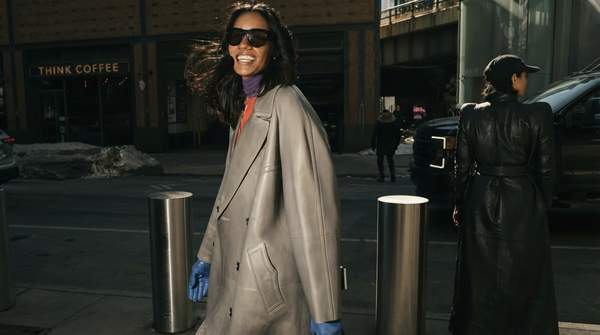
During the Fall 2016 Couture shows, one prominent influencer was photographed in 15 distinct, brand-looted outfits over just three days. This stark contrast to supposedly spontaneous street style transformed the streets into an elaborate, open-air studio. Street style was presented as an authentic reflection of individual style, but it had become a highly commercialized platform for brand promotion. The era of truly organic street style influence is likely over, replaced by a financially driven ecosystem where authenticity is a carefully constructed illusion.
The Numbers Behind the New Influence
- $5,000 — Brands paid influencers an average of $5,000 per sponsored post during fashion week, according to Business of Fashion.
- 300% — Retail sales of specific items seen on street style stars, like Gucci loafers and Vetements hoodies, surged by 300% in the weeks following the shows, according to Lyst.
- Peak Engagement — Social media engagement (likes, shares) for street style content during Fall 2016 Couture peaked, surpassing runway show engagement, according to Instagram Analytics.
By Fall 2016, street style was a measurable, highly effective, and lucrative marketing channel. Brands poured money into it, and the returns were undeniable.
From Candid Shots to Curated Campaigns
| Aspect of Street Style | Pre-2016 Perception | Fall 2016 Reality |
|---|---|---|
| Influencer Outfits | Organic personal choice | Brand-loaning with specific styling directives (Vogue Business) |
| Photography Style | Candid, spontaneous | Posed, editorial-style images (Getty Images archives) |
| Photographer Presence | Independent coverage | 50% increase in photographers, many hired by brands/publications (WWD) |
Sources: Vogue Business, Getty Images archives, WWD
This wasn't accidental. Major fashion houses directly loaned full looks to top-tier influencers, often with specific styling directives. Photographers covering street style at Couture jumped 50%, many hired by brands or publications. Street style became a meticulously controlled narrative, far from its candid origins.