Choosing a digital textile printing technology is less about finding the "best" method and more about matching a process to a fabric, a color ambition, and a sustainability brief. Direct-to-garment (DTG) excels on cotton with intricate, gradient-rich designs; direct-to-film (DTF) buys broader material compatibility and wash resistance; dye sublimation delivers the most durable, vivid color on polyester; and digital pigment printing offers the strongest environmental profile at the cost of a narrower color gamut and a firmer fabric hand. I believe the right choice becomes obvious once these trade-offs are laid side by side.
Direct-to-Garment (DTG) Printing: Precision on Natural Fibers
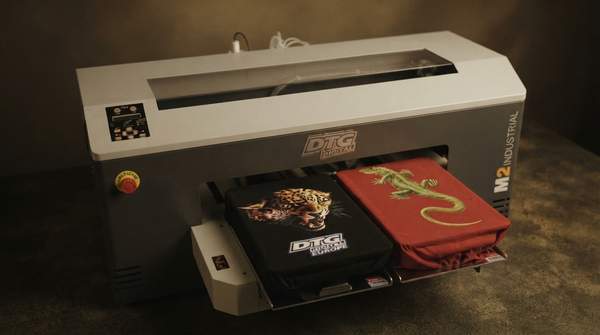
DTG works like an inkjet printer built for textiles: ink is jetted directly onto the garment and penetrates the fibers, without any intermediate film carrier. Because the ink soaks in rather than sitting on top, the result is the digital method closest to a hand-painted texture, and the fabric's natural softness is largely preserved.
According to MUST Technologie, a printing equipment distributor, DTG's strengths are design versatility — it is ideal for intricate designs, color gradients, and detailed patterns — along with low cost for small series and minimal preparation time. Its weaknesses are equally clear: it works best on cotton or cotton-based fabrics, becomes expensive at mass-production scale, and the printers demand regular maintenance to keep performing.
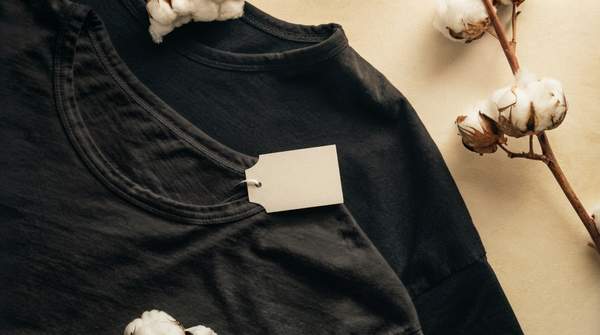
For a luxury or premium line, that combination is compelling for limited-run cotton pieces where photographic detail matters more than volume. KingJet, a printer supplier, notes that cotton's soft, skin-friendly, breathable character makes it an ideal DTG material — but that cotton fibers cannot bond with sublimation dye, which is why pigment ink or DTG fills that gap.
Direct-to-Film (DTF) Printing: Versatility and Durability
DTF takes a different route: the design is printed onto a film, then heat-transferred onto the fabric with an adhesive layer. That intermediate step is precisely what gives the method its range. KingJet describes DTF as suited to businesses printing on a diverse range of materials with a low barrier to entry, and notes that when stronger wash resistance or broader material compatibility is needed on cotton, DTF is the alternative to DTG.
The adhesive layer is the mechanism behind both advantages and the trade-off. It bonds the ink firmly to the fabric, which supports durability through washing — a genuine quality consideration for apparel that will be laundered repeatedly. But because the print sits on the surface as a transferred layer rather than penetrating the fibers, the hand feel is typically firmer than a DTG print on the same cotton.
In practice, DTF earns its place when a collection spans mixed fibers — a cotton tee, a poly-blend hoodie, a tote — and one process must serve them all, or when wash durability outranks softness. It is a pragmatic workhorse rather than the choice for a delicate, luxury hand.