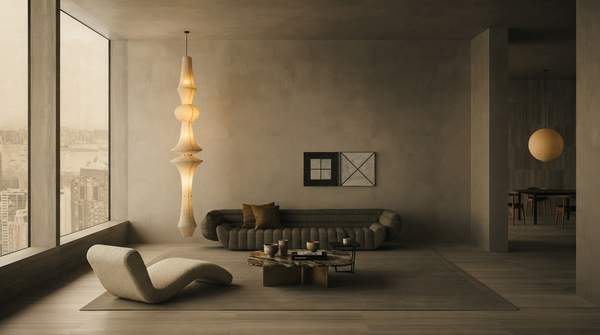
Quiet luxury is an aesthetic built on understated design, high-quality materials, and timeless styling, deliberately avoiding conspicuous logos, flashy elements, and other overt markers of economic status. It expresses wealth through subtle sophistication rather than display — and it is not the same thing as "stealth wealth" or "old money style," even though the three terms are often used interchangeably. Understanding the distinctions matters for anyone tracking where luxury consumption is heading.
What is Quiet Luxury?
At its core, quiet luxury is the practice of looking effortlessly refined without relying on flashy logos or excessive embellishment. As Rita Patra describes it, the aesthetic prioritizes premium fabrics, timeless silhouettes, and craftsmanship, creating pieces that "transcend seasons and trends" — investment dressing in which "quality speaks louder than branding."
The concept has drawn scholarly attention for over a decade under the broader label of inconspicuous luxury consumption: buying goods and experiences without ostentatious logos or social markers, allowing consumers to convey more subtle, sophisticated status signals. An analysis from EHL Insights notes that while the term remains elusive in academic literature, the phenomenon itself is well established.
Crucially, quiet luxury signals rather than hides. Commentators distinguish it from stealth wealth on precisely this point: stealth wealth connotes hiding wealth, while quiet luxury connotes subtly signalling it. "Old money," by contrast, is defined more narrowly still.
Visual and Material Hallmarks of Quiet Luxury
Identifying the aesthetic is straightforward once you know its vocabulary. The defining elements are consistent across sources: natural premium fabrics such as silk, cashmere, and linen take center stage, chosen for both comfort and longevity. Silhouettes are timeless rather than trend-driven, and color palettes are muted and neutral.
The most decisive marker is what is absent. Quiet luxury avoids conspicuous logos and overt branding altogether; luxury is communicated through craftsmanship, refined materials, and design quality instead. As one fashion commentary puts it, the trend is "defined by its lack of logos, muted tones, and refined materials," with the industry promoting restraint and subtlety over the excess of earlier eras.
Longevity is part of the definition, not a side effect. Quiet luxury items are generally designed around the customer's needs and intended to remain relevant for as long as possible — clothing made to last, not just to impress. Maja Dixdotter, creative director of By Malene Birger, frames it in similar terms: "Luxury is the same as quality for me," with the feeling of luxury coming from harmony in color palette, texture, and shape.
Distinguishing Quiet Luxury, Stealth Wealth, and Old Money Style
The three terms overlap visually but diverge in motivation and social meaning. The table below synthesizes their differences across three dimensions: what drives each approach, what it looks like, and what it is meant to communicate.
| Dimension | Quiet Luxury | Stealth Wealth | Old Money Style |
|---|---|---|---|
| Defining Motivation | To express sophistication and discernment through quality and design rather than overt brand display. | To own expensive items without overtly displaying wealth, often for privacy or to avoid unwanted attention. | To project inherited, established wealth through enduring, traditional elegance. |
| Visual Characteristics | Understated design, high-quality materials such as cashmere and silk, timeless styling, muted colors, and no conspicuous logos. | Expensive items that appear ordinary to the general public but are of superior quality, with nothing that immediately identifies them as luxury. | Classic, often conservative attire, well-maintained pieces, traditional fabrics, and a polished, enduring aesthetic. |
| Intended Signal | Refined taste and status understood by those "in the know" — subtle signalling. | Wealth that does not need external validation, often legible only within specific social circles — concealment. | Continuity and timelessness; as the aesthetic's popularizers framed it, "True wealth isn't about abundance, but timeless elegance." |
The distinctions are real but porous. Stealth wealth in the Anglosphere shares aesthetics with the traditional Protestant privileged class of inherited wealth, and the terms can overlap in appearance. What separates them is intent: quiet luxury signals subtly, stealth wealth conceals, and old money style is defined most narrowly as a long-standing, tradition-bound look.
Social and Economic Drivers Behind the Trend
Why now? Research on status consumption offers a partial answer. Several studies found that perceived social status and status anxiety predict preference for brand prominence: wealthy consumers with little need for status signalling tend to prefer inconspicuous goods with subtle branding or no logo, while consumers with a stronger desire to signal status — regardless of actual wealth — gravitate toward conspicuously branded products.
Eckhardt et al. (2015) identified further drivers, including the expansion of "masstige" luxury: as luxury goods become accessible to a broader public, affluent consumers seek subtler forms of distinction. Understated consumption also signals affiliation with elite groups, and quiet luxury is associated with craftsmanship, sophistication, and design quality rather than overt branding.
The dilution of traditional exclusivity compounds this. EHL Insights points to rental services, second-hand markets, and entry-level product lines that made luxury more attainable and visible, eroding perceptions of exclusivity and rarity — two core dimensions of brand desirability. Fashion history adds another layer: the 1980s licensing boom let brands collect royalties across new product categories, but over-licensing reduced exclusivity and diluted their wealthy customer base, prompting a later retrenchment toward the high-end label.
How far the shift extends is debated. Quiet luxury has been present in fashion for decades under different names, and 2025 runway collections showcased restraint and elegance as evidence of its staying power — but the extent of its adoption versus continued logomania remains contested among observers.
Identifying the Enduring Appeal of Quiet Luxury
Consumers and trend forecasters should recognize quiet luxury as a distinct and enduring aesthetic driven by a desire for discreet quality and a reaction against overt branding. It is a signalling strategy, not merely a minimalist style — and that is what separates it from stealth wealth's concealment and old money's inherited tradition.
The measurable indicator to watch is continued preference for high-quality, logo-free items in luxury markets, alongside discussions emphasizing craftsmanship over brand visibility. If that preference persists across runway cycles and consumer behavior, quiet luxury's status as an enduring shift — rather than a passing reaction — will be confirmed.
Sources
- Quiet luxury - Wikipedia — EN
- Quiet Luxury: The Timeless Trend Defining 2025 — Patra Selections
- Quiet Luxury: The Art of Understated Wealth — Insights
- What Is Quiet Luxury And Why Is The Trend Louder Than Ever? — ELLE UK
- MEDIUM