Clean Beauty's Billion-Dollar Leap Into Home Goods and Food

In the last year, 'non-toxic' searches for home cleaning products surged by 40% on Google, signaling a profound shift in consumer perception, extending from dish soap to dinner ingredients.

SD
Simone Dubois

June 4, 2026 · 4 min read

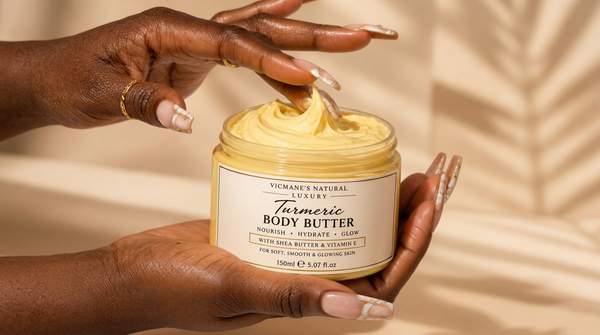
Elegant, minimalist packaging for non-toxic home cleaning products and artisanal food items displayed in natural light, symbolizing the clean beauty movement's expansion.

In the last year, 'non-toxic' searches for home cleaning products surged by 40% on Google, signaling a profound shift in consumer perception, extending from dish soap to dinner ingredients. This proactive inquiry pushes clean beauty's principles into home goods and food, influencing purchasing decisions and bypassing traditional brand loyalty for perceived ingredient integrity.

Consumers are willing to pay more for products labeled 'clean' and sustainable. Yet, only a minority fully trust these claims without independent verification, creating a tension where aspirational values often precede verified truth in purchasing decisions.

The 'clean' movement will expand beyond beauty, pushing for greater regulatory oversight and forcing brands across all sectors to adopt radical transparency, or face significant consumer backlash and market share loss.

Beyond the Bathroom: How 'Clean' Redefined Everything

The definition of 'clean' now transcends categories. A Mintel survey found 65% of consumers believe 'clean' means free from artificial ingredients, regardless of product type. This broadens the "free-from" movement, initially rooted in food allergies, to influence household product formulations. A study in the Journal of Consumer Research showed 45% of consumers associate 'clean' products with better health outcomes, even for non-ingestible items. This perception translates beauty industry standards into broader lifestyle choices, demanding ingredient transparency across diverse product categories. The 'clean' paradigm is not merely reformulation; it fundamentally re-engineers supply chains and disclosure, making transparency a core product feature, not just a marketing claim. This shift implies that brands can no longer segment their 'clean' strategies by product type; a holistic approach to ingredient integrity is now a market imperative.

The Billion-Dollar Shift: Market Growth and Consumer Spend

The "clean" movement is a powerful economic force. The global clean beauty market alone is projected to reach $25.1 billion by 2030, up from $7.2 billion in 2022 (Grand View Research). This growth extends beyond beauty: 70% of consumers will pay more for sustainable products across categories (NielsenIQ). 'Clean' labels in food and beverage grew 15% in new product launches last year (Innova Market Insights), while plant-based home cleaning products are set for a 9.5% CAGR from 2023 to 2030 (Mordor Intelligence). These figures confirm the "clean" movement is not a niche trend but a broad consumer mandate for ingredient integrity and environmental responsibility. Brands failing to invest in robust, third-party verification for their 'clean' claims risk significant market share, as consumers are willing to pay a premium for independently validated transparency, despite their inherent skepticism.

From Niche Aisles to Mainstream Shelves: A Retail Revolution

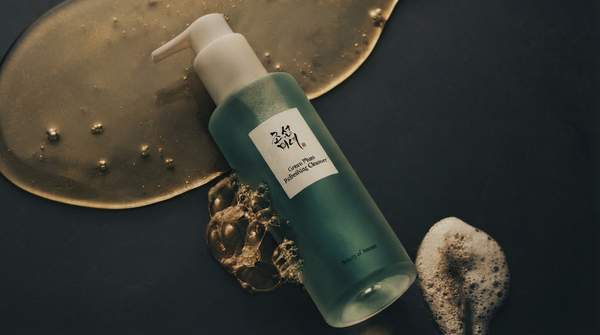
Major retailers like Target and Walmart now expand 'clean' sections beyond beauty to include household cleaners and pantry staples (Retail Dive). This mainstream adoption is further supported by new certifications like the Clean Label Project for food and household items, mirroring beauty industry standards. Food brands are reformulating products to remove artificial additives (Food Navigator), and ingredient transparency apps, such as the EWG Healthy Living App, now rate food and home products. This comprehensive shift in retail strategy and product development means that 'clean' is no longer a niche marketing tactic but a foundational expectation for consumer goods, forcing even legacy brands to overhaul their product lines or risk irrelevance on prime shelf space.

Who Wins and Who Struggles in the Clean Economy

Challenger brands built on transparency thrive. Branch Basics, for instance, saw a 300% sales increase during the pandemic (Company Report). This growth, however, comes with a price: 'clean' household products average 20-30% higher cost than conventional alternatives (Consumer Reports). This premium creates a consumer barrier but also highlights the segment's lucrative nature. Investment in sustainable packaging for home goods and food has doubled in three years (PitchBook), yet smaller 'clean' brands often struggle to scale production while maintaining ingredient integrity. This suggests that while consumer demand is robust, the clean economy favors well-capitalized brands capable of both premium pricing and scalable, ethical supply chains, potentially consolidating the market around larger players or well-funded startups.

The Future of 'Clean': Regulation, Trust, and Greenwashing

Consumer skepticism demands verified trust: only 35% fully trust 'clean' claims without further research (Edelman Trust Barometer). This widespread doubt necessitates industry standardization and regulatory intervention. The European Union, for instance, considers stricter regulations on 'green' claims to combat greenwashing across all product categories (EU Commission). Such measures protect consumers and foster a market where verified claims hold weight. The implication is clear: without robust, independently verifiable standards, the entire 'clean' economy risks being undermined by a crisis of confidence, potentially leading to a consumer retreat from premium pricing if trust remains unaddressed.

If regulatory bodies enforce stringent 'green' claim verification, traditional food and home goods giants will likely face a stark choice: acquire agile, transparent startups or undertake costly, multi-year overhauls of their entire product development and supply chain processes.