Latino Designers Weave Heritage into 2026 World Cup Fashion Trends

Yazmin Rosete, a Mexican-American senior designer for Nike, didn't just design the 2026 U.

KR
Klaus Richter

May 19, 2026 · 3 min read

Diverse Latino fashion designers blending cultural heritage with modern athletic wear for the 2026 World Cup.

Yazmin Rosete, a Mexican-American senior designer for Nike, didn't just design the 2026 U.S. Men's National Team World Cup kits; she wove her heritage into every stitch. Nike's move marks a calculated departure from traditional, broad national symbols, focusing instead on deeply personal narratives. Her involvement proves a pivotal moment for Latino designers, influencing 2026 World Cup fashion trends.

Global sports apparel has historically aimed for broad appeal, often favoring generic motifs. The 2026 World Cup kits, however, embrace highly specific cultural narratives and artisan craftsmanship. This shift creates tension between market reach and authentic expression.

Future major sporting events will increasingly feature designs that are not merely aesthetic but powerful, authentic cultural statements, driven by diverse talent. Brands now trade universal recognition for profound, specific connections.

Weaving Heritage into Every Thread

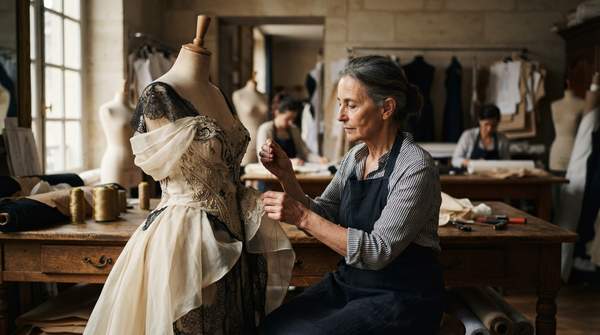
Rosete's work on the U.S. Men's National Team home and away kits involved shaping color direction, construction details, ribbing, gradient on the home crest, and a bespoke star-knit pattern, according to Remezcla. These intricate elements moved beyond superficial American iconography. The kits convey a layered narrative, reminiscent of medieval tapestries where each thread held symbolic weight, rather than a mere flag on a pole.

Nike, through Rosete, embeds specific, personal cultural narratives. This approach risks niche appeal for profound authenticity, a calculated gamble in the global marketplace.

Beyond Individual Designers: A Collective Craft

  • 150 — More than 150 artisans created Mexico's third kit for the 2026 World Cup, according to Wearemitu.

This figure confirms cultural integration in World Cup fashion extends beyond individual artistic vision. The collective effort of numerous traditional artisans elevates their craft to a global platform, demonstrating a multifaceted approach to embedding heritage.

The contrast between Rosete's singular vision and Mexico's collective kit highlights diverse strategies for cultural embedding. Both prioritize deep cultural narrative over generic branding, signaling a broader shift in sportswear design philosophy.

The Power of Authentic Representation

Entrusting Yazmin Rosete, a Mexican-American senior designer, with the USMNT 2026 World Cup kits marks a strategic shift for Nike, according to Wearemitu. Global sports brands now actively trade broad, generic national branding for deeply personal, culturally specific storytelling. This is a calculated bet: authenticity, even if niche, forges stronger connections than universal appeal. The era of national team kits as mere symbols of patriotism is over. The 2026 World Cup, spearheaded by designers like Rosete, proves these garments are powerful canvases for complex, often transnational, cultural identity. Brands must rethink who designs and what stories are told, moving beyond surface-level patriotism to nuanced cultural narratives.

A New Era of Cultural Storytelling in Sport

  • The USMNT home kit features bold, red gradient stripes emulating a flag waving in the wind, according to Remezcla.

Dynamic, symbolic elements like this suggest a future where kit designs are active narratives, not static emblems. These resonate deeply with national and cultural pride, reflecting a maturation in sports apparel design. Brands failing to embrace diverse methods of heritage embedding risk obsolescence. The 2026 World Cup kits, from Rosete's individual heritage to Mexico's collective craftsmanship, reveal this truth.

By Q3 2026, sportswear giants will likely continue to invest in designers like Rosete, understanding that authentic cultural narratives drive consumer connection more effectively than generic patriotism.