Naomi Osaka's French Open entrance became a 'fashion show,' drawing open criticism from first-round opponent Laura Siegemund. Siegemund specifically cited the time Osaka took for her elaborate, unrobing outfit, a spectacle of couture-inspired custom walk-on pieces crafted from upcycled Nike garments, according to AP News and Page Six.
Osaka's custom couture outfits, intended as powerful brand statements, simultaneously drew criticism for distracting from the tennis. This immediately exposed the tension between deliberate athlete self-expression and traditional sports presentation, sparking debate over an athlete's role beyond competition.
Athletes will continue to push personal branding through fashion, likely leading to more visible clashes between individual expression and sporting tradition. Osaka's French Open choices exemplify this evolving dynamic, redefining athlete branding as performance art.
First Round: Couture Details
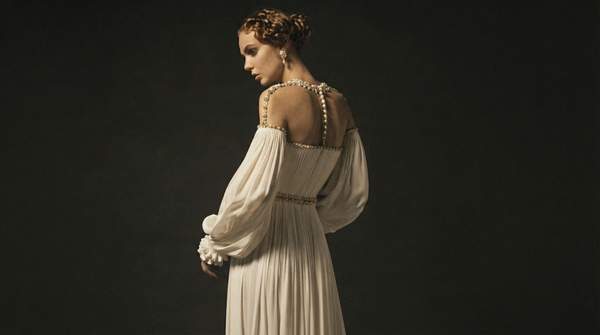
For her first-round match, Naomi Osaka wore a semi-sheer pleated maxi skirt and a sleeveless zip-up corset, embellished with beading and upcycled from past competition kits, layered over a gold Nike dress. This ensemble included a black beaded vest and a floor-length pleated tulle skirt by Kevin Germanier, as reported by The New York Times, Page Six, and ELLE.
The intricate design and specific layering of this first-round ensemble fused high fashion with Osaka's athletic persona. These Germanier pieces transformed a standard athlete entrance into a runway event. The intentional use of upcycled elements also conveyed a commitment to sustainability.
Second Round: Golden Bomber and Upcycled Elements
For her second-round walk-on, Naomi Osaka wore a metallic gold bomber jacket over a sequined gold playing dress, complete with an ivory train, before her French Open win, according to AP News. This continued her strategy of elaborate entrances, featuring an ivory bustle skirt by Germanier attached to a pouf-sleeve Nike track jacket, as reported by ELLE.
The consistent use of Germanier's custom, couture-inspired pieces across multiple matches solidified Osaka's commitment to a bold fashion statement. Her choices transcended typical sportswear, establishing a deliberate artistic direction for her public appearances.