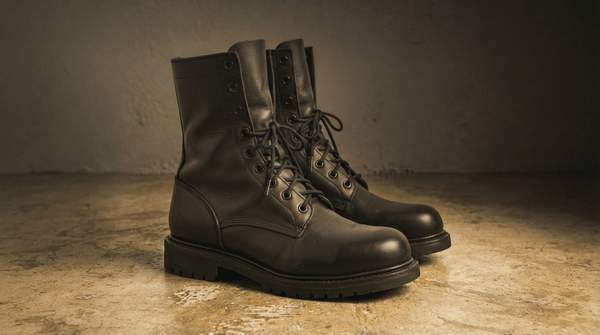
If you're buying one pair of black boots this season and want them to last, the choice comes down to three silhouettes: the polished knee-high, the refined Western or equestrian boot, and the modern slouchy boot. That's the picture emerging from the fall/winter 2026 runway and editorial coverage, where aesthetics leaned utilitarian and pared-back rather than ornamental. Below, I break down what makes each silhouette distinctive, what to look for in a genuinely investment-grade pair, and which style offers the best balance of current relevance and long-term value.
The Enduring Appeal of Black Boots for Fall/Winter 2026
Black boots are the rare purchase that fashion editors treat as non-negotiable. British Vogue's take is blunt: ask any fashion editor if you can tire of a black boot and "you'll get the same answer – a resounding no," calling the category "about as essential as any essential can get." For autumn 2026, the magazine notes that slouchy, soft leather and suede designs have gained momentum, thanks to brands like Isabel Marant, Staud and Balmain.
What's distinctive about this season, though, is the mood. Harper's Bazaar's trend report on the fall/winter 2026 runways observes that "aesthetics leaned more utilitarian; think pragmatic knee-high leather boots and pared-back takes on traditional Western and equestrian silhouettes." In other words, the boots worth buying now are the ones engineered to outlast the trend cycle—clean lines, quality leather, minimal decoration. That's good news for anyone building a wardrobe rather than chasing a moment.
Investment-Grade Quality: What to Look for in Luxury Boots
Before choosing a silhouette, it helps to know what separates a boot worth several seasons of wear from a fast-fashion imitation of the same shape. The single most important marker is construction—specifically, whether the boot is Goodyear welted. A Goodyear welt attaches the upper part of the boot to the sole in two stitched steps: first the upper is sewn to the welt, then the welt is sewn to the sole, as the footwear maker Thorogood explains in its construction guide. The welt itself can be leather, plastic (PVC) or rubber.
Why does this matter for a luxury purchase? Because it makes the boot repairable. Nick's Boots, a handcrafted bootmaker, describes Goodyear welt construction as "a gold standard in footwear durability and craftsmanship," valued for its robustness and "the ease with which they can be resoled, greatly extending their lifespan." The company's position is that despite the higher upfront cost, welted shoes offer greater long-term value due to their durability and timeless style.
There is a trade-off worth knowing. As the shoemaker Cobbler Union notes, welted construction comes with weight and a break-in period; cemented alternatives offer "less weight, more flexibility from the first wear," but the insole "tolerates fewer rebuilds than a welted shoe does." For an investment piece you intend to resole and keep, the welt wins. Beyond construction, look for a high-quality leather grade and strong soles—Thorogood lists these, alongside welt construction, as the core components of a boot that stands up to hard wear.