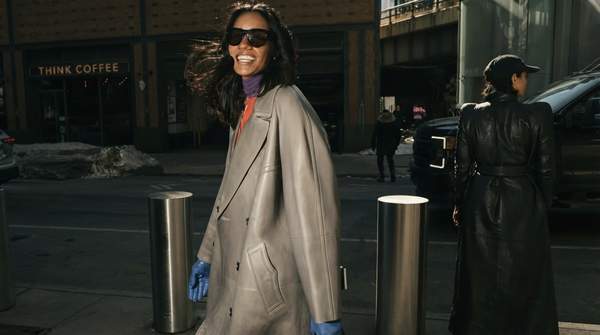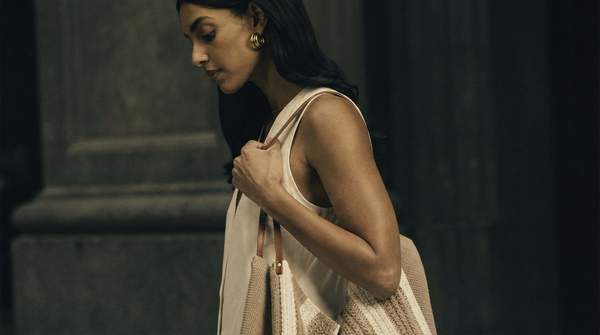
The most useful thing to know about this season's luxury handbags is that fashion has stopped asking you to choose between style and function—and started asking a different question: how much do you actually carry? Two opposing trends now dominate the runway conversation. The oversized tote maximizes capacity and presence; the hands-free bag minimizes what you carry and how much you hold. Having watched both emerge from recent fashion week reporting, I'd argue neither is "better"—they simply answer different daily needs.
The Return to Practicality in Luxury Bags
The common thread running through recent seasons is a decisive shift toward function. Fashion commentators observing runway trends note that the pandemic taught designers one clear lesson: people want practicality within their luxury accessories. That insight, per the fashion press covering Paris Fashion Week, effectively pushed out the micro bag and replaced it with roomy, wearable designs.
The result is a split rather than a consensus. Some designers scaled up—Max Mara and Versace sent XL totes down Paris runways—while others scaled down to nearly nothing, betting that modern essentials have shrunk. As Coveteur observed of the Spring/Summer 2027 New York shows, "It's 2026, our wallets are our phones, and we don't all really need to carry around a whole lot anymore." Both directions are reactions to the same demand: bags that work in real life.
Oversized Totes: The Everyday Workhorse
The oversized tote is maximalism in service of utility. According to runway reporting from Paris Fashion Week, most of these XL totes were big enough to serve as overnight bags, with a casual, slouchy design language rather than rigid structure. Max Mara's slouchy pastel-yellow XL tote was singled out as one of the most practical looks seen on the runway in some time.
Functionally, this is the bag for people who carry their lives with them: a laptop, a change of clothes, work papers, gym gear. The same reporting frames the trend as fitting the "everyday" aesthetic that some buyers actively seek in a luxury handbag—a piece that reads as a refined statement while doing genuine carrying work.
The trade-off is straightforward. Scale buys capacity but costs lightness and mobility. A bag large enough to double as an overnight carry is, by definition, not the bag you want when you're navigating an event, a crowded street, or a night out where you want your hands free.
Hands-Free Bags: Minimalist Freedom
The opposite trend shrinks the bag and attaches it to the body. On the Spring/Summer 2027 runways, Coveteur reports, hands-free bags sat on the waist at TWP and around the neck at Michael Kors—silhouettes designed so the wearer never has to hold anything.
Crossbody and small pouch styles carry what Net-a-Porter's editors call "life's true essentials: your phone, credit card and lipstick." They concede the point directly: this might not seem like the most practical choice, but it's perfect for days when you're unencumbered by a laptop.
Vogue's market reporting adds a styling endorsement, describing the small crossbody form as "discreet, practical, and easily styled across decades"—a rare quality, since so much of what walks a runway looks dated within a season or two. The limitation is obvious: if your day involves a laptop, a file folder, or anything beyond the bare essentials, this trend simply cannot carry it.
Oversized vs. Hands-Free: A Practical Comparison
Setting the two trends side by side makes the decision boundary visible. Each occupies a different corner of the same practicality trend—one by carrying everything, the other by carrying almost nothing.
| Dimension | Oversized Tote | Hands-Free Bag |
|---|---|---|
| Trend origin | XL totes at Paris Fashion Week, shown by Max Mara and Versace, driven by demand for practical luxury | Waist and neck bags at NYFW Spring/Summer 2027 (TWP, Michael Kors), driven by shrinking daily essentials |
| Typical capacity | Roomy enough to double as an overnight bag; laptop-friendly | Minimalist: phone, credit card, lipstick |
| Best for | Commuting, work, travel—any day that requires carrying a lot | Events, errands, outings where freedom of movement matters and there's no laptop |
| Styling versatility | A practical yet refined statement piece within the "everyday" aesthetic | Discreet and easily styled across decades, per Vogue's crossbody assessment |
| Key trade-off | Scale over mobility—heavy and bulky when unneeded | Mobility over capacity—useless for laptop days |
The comparison yields a clear verdict on use cases rather than a winner overall: the oversized tote suits the daily commute with a laptop; the hands-free bag suits the event or quick outing where movement is the priority. The trends don't compete for the same day.
Making Your Choice: Aligning Trend with Lifestyle
Choose an oversized tote for maximum capacity and a statement-making carry-all, or opt for a hands-free bag for minimalist convenience and effortless styling. The honest answer for most wardrobes is that these are complementary, not rival, purchases—but if one must lead, let your typical day decide.
Ask a single diagnostic question: does my average day include a laptop? If yes, the hands-free trend is out—Net-a-Porter's editors define its exact boundary as the unencumbered, essentials-only day. If your days are lighter and your evenings mobile, the XL tote becomes dead weight, and the crossbody form's decades-spanning stylability gives it the edge in longevity.
One caveat on scope: this comparison covers function and styling only—resale value and investment potential sit outside the evidence here. The measurable test is whether the chosen bag consistently meets your daily carrying needs without compromising comfort or style for typical activities. If, after a few weeks, you're still reaching for the other style, you've picked the wrong trend for your life—not the wrong bag.