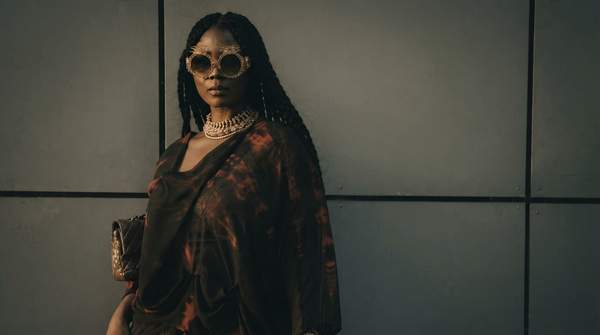
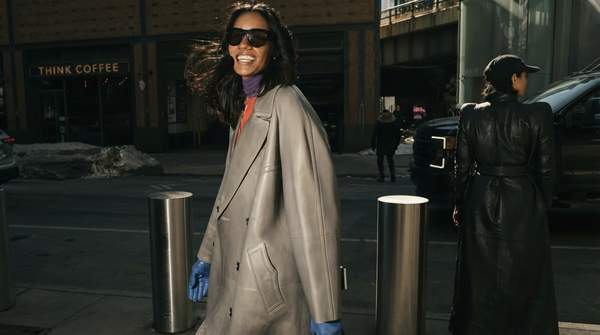
In 1911, Edward Steichen's thirteen soft-focus images of models in Paul Poiret dresses hit Art et Décoration. This wasn't just art; it was an early fusion of fashion and candid photography, shot outside the studio. It hinted at a future where street-inspired looks would become a powerful commercial tool, setting a surprising precedent for monetizing street aesthetics.
But here's the twist: street style photography, once about genuine urban fashion, has morphed. It's now a highly commercialized, often staged spectacle within the global fashion industry. That raw energy of individual expression? It frequently serves a broader, industry-driven agenda, blurring the lines between personal style and promotional content.
The future? Expect AI-driven trend analysis and influencer marketing to take over. This will likely diminish human photographers' role and erode street style's raw authenticity. By 2026, it was predicted to become an even more refined marketing instrument.
From Calotypes to Early Fashion Glossies
Charles Nègre, a photography pioneer, experimented with calotypes, patented in 1841, to capture movement without blur. He successfully documented the street's dynamic energy, laying groundwork for candid photography according to dostreetphotography. These early innovations were vital for portraying life outside controlled studios.
By the 1890s, printing advancements allowed photos to appear directly alongside text, boosting fashion magazine availability as reported by vam. This meant street life and fashion trends could reach a wider audience. The commercialization of 'candid' fashion isn't a new digital trend; its roots as a leveraged aesthetic date back over a century, long before the internet made it ubiquitous. This early integration of photography into mass media laid the commercial foundation for what we now call street style, proving its market appeal predates digital platforms.
The Rise of Fashion Media and Modern Observation
In 1909, Condé Nast bought an American social magazine, transforming it into Vogue according to vam. This formalized fashion's mainstream media presence, creating a powerful platform for trend dissemination. Vogue's rise blended aspirational imagery with editorial content, shaping how fashion was curated and presented.
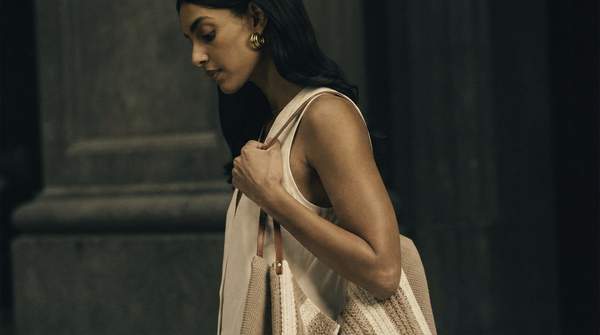
Today, research actively analyzes street style. A mass fashion observation (MFO) project in Nottingham studies young people, documenting style groupings and their changes through photographs and interviews from research.manchester.ac.uk. This academic interest moves beyond visual appreciation to a deeper sociological examination of trends. The rise of influential fashion magazines like Vogue alongside modern sociological research reveals a dual perspective: street style can offer genuine insights into evolving style, yet it's increasingly co-opted by commercial interests. This tension makes truly authentic observation a challenge, as even 'real' street style often reflects a staged reality.
Deconstructing Today's Street Style
Street style demands a comprehensive view. It's not just history; it's about fashion magazines, high street clothing, local style groupings, and individual outfit assembly as noted by research.manchester.ac.uk. This multifaceted perspective acknowledges the complex interplay shaping contemporary fashion, moving beyond simplistic views.
A key shift? Street style now leans towards subtly differentiated groupings that incorporate mainstream, high street fashions from research.manchester.ac.uk. Distinct subcultures are less pronounced; individual expressions blend with broader, commercial trends. Personal style frequently echoes popular retail offerings. This means street style, despite its authentic origins, has become a self-referential echo chamber. Mainstream trends are repackaged as individual expression, turning consumers into unwitting marketers for the brands they believe they're transcending. The true implication is a loss of genuine counter-culture, replaced by a curated illusion of individuality.
The Internet's Game-Changing Influence
The internet, especially Web 2.0, profoundly impacted fashion. Street style blogs surged into established media, alongside print publications according to www.textezurkunst.de. This digital shift democratized fashion content, letting photographers share captures globally. Online image dissemination created a new, accessible platform for trend spotting, far beyond physical magazines.
This digital evolution transformed street style from niche observation to globally influential media, accelerating its commercial absorption. The digital era, rather than purely democratizing fashion, turned independent street style blogs into extensions of traditional media and direct marketing tools for major brands. What felt like grassroots discovery quickly integrated into the industry's marketing strategies. The implication is clear: the internet, while offering initial freedom, ultimately streamlined the commercial capture of street style, making it harder for truly independent voices to thrive without corporate alignment.
When Authenticity Meets Editorial Polish
What are the origins of street style photography?
Edward Steichen's 1911 work showed fashion outside the studio, but true street style, focusing on everyday people, took off with Bill Cunningham in New York City during the latter 20th century. Cunningham famously captured genuine individual expression, free from commercial ties, laying the genre's authentic groundwork.
How has street style photography evolved over time?
It's evolved from spontaneous captures by individuals to a formalized, commercialized practice. Early days meant documenting personal style; now, it's influencers, brands, and publications collaborating on curated, editorialized content. The line between candid observation and advertising, especially during fashion weeks, is completely blurred.
Who are the most influential street style photographers?
Beyond pioneers like Bill Cunningham, Scott Schuman of The Sartorialist and Garance Doré defined the blog era. Their distinct eyes and compelling narratives popularized the genre globally, inspiring countless followers and photographers.
The Commercial Imperative: Street Style as a Marketing Engine
Street-style blogs now absorb fashion photography's visual language, blurring candid documentation with editorial curation according to academia.edu. Even 'spontaneous' street images often boast the polish of high-fashion spreads. This creates a sophisticated visual narrative, seamlessly integrating into commercial campaigns. It's tough to tell authentic moments from carefully constructed ones.
Big fashion houses and retailers now actively use street style photography for lookbooks and advertisements as reported by vocast.com. This direct commercial application solidifies its role as an indispensable marketing tool, influencing how major brands present and sell fashion. The original purpose—capturing authentic, localized style—is eroding. Even 'spontaneous' street fashion increasingly reinforces mainstream trends, not independent expression. The implication? What began as a celebration of individual style has become a highly effective, yet subtly manipulative, form of brand promotion.
By 2026, it was predicted that major fashion houses like LVMH and Kering would likely integrate street style imagery into over 70% of their digital marketing campaigns, solidifying its role as a primary commercial engine, leveraging its perceived authenticity for brand messaging.