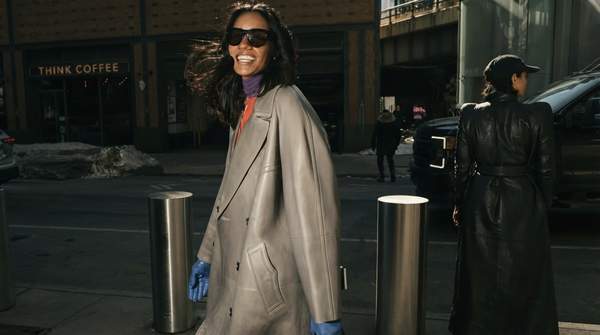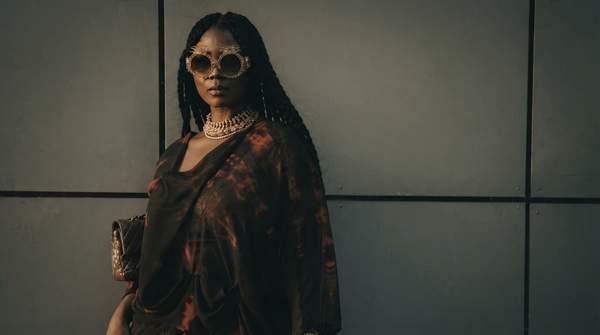
Contemporary African street style photography is a distinct genre, not a regional variant of a Western tradition. Its defining move is collaboration: where classic street photography waits unseen for a candid "decisive moment," African street style photographers work openly with their subjects, blending portraiture, fashion, and documentary into a form of cultural self-representation. The anthology Street Photography Africa, published by Thames & Hudson in October 2026, gathers hundreds of images from 33 photographers under a single premise: "the street becomes a stage."
Introduction: African Street Style as a Cultural Statement
The genre matters because of what it does rather than merely what it looks like. Writing in W Magazine, art critic Siddhartha Mitter describes the anthology's photographers as "participants and actors" rather than detached observers, presenting African communities that, in the editors' words, "assert their right to be seen on their own terms." That assertion is the heart of the movement. These images do not pathologize or exoticize; they celebrate, document, and empower. Curator and fashion historian Tosin Adeosun, who contributes an essay to the book, frames the stakes plainly: "present-day African photographers documenting through a sartorial lens are creating and steering a new archival practice." The street, in this framework, is a "laboratory of social transformation…where global influences merge with local sensibilities."
African Street Style vs. Western Street Photography: A Comparative View
The clearest way to understand the genre is to contrast it with the tradition it departs from. The table below draws on Mitter's analysis of the anthology alongside commentary on the broader field of African fashion photography.
| Dimension | Contemporary African Street Style | Traditional Western Street Photography |
|---|---|---|
| Approach to subject | Overt and mutual collaboration; the street functions as a stage where photographer, subject, and setting activate the scene together | Surreptitious waiting for the candid "decisive moment" that distills pathos or paradox |
| Aesthetic focus | Bold, bright, energetic, and experimental visuals; vibrant color and cultural textiles; street-style portraits alongside youth culture, music, and dance | Unposed observation; the aesthetic value lies in capturing an unrepeatable instant |
| Genre boundaries | Blends fashion, portraiture, documentary, conceptual, and street photography in pursuit of a shared force: style | Traditionally maintains sharper silos between candid street work, portraiture, and editorial fashion |
| Cultural role | Documents, shapes, and empowers self-representation, challenging Western beauty standards and creating a new visual archive of African identity | Typically positions the photographer as an anonymous recorder of public life |
The contrast is philosophical as much as technical. One tradition prizes invisibility; the other treats visibility—of photographer and subject alike—as the point.