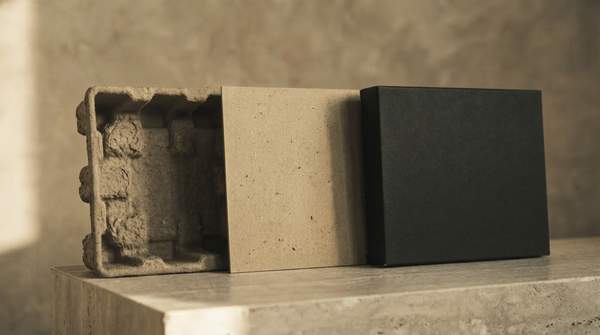
For luxury brands, packaging is more than a container; it is an integral part of the brand experience, the first tangible touchpoint for the consumer. As environmental responsibility becomes a core tenet of modern luxury, brands face the challenge of aligning their packaging with sustainable values without compromising on sophistication and exclusivity. The solution lies not in a single material but in a strategic choice between three distinct approaches: creating durable reusable systems, innovating with bio-based materials, or implementing smart, waste-reducing designs. Each path offers a unique balance of brand enhancement, logistical complexity, and environmental benefit, requiring a careful evaluation of a brand's identity and operational capabilities.
The Imperative for Sustainable Luxury Packaging
The shift toward sustainable packaging is a direct response to evolving consumer expectations and a growing recognition of environmental impact. For a luxury brand, this transition is a powerful opportunity to deepen its narrative and build customer loyalty. According to Salman Shahid, writing for the sustainability publication Seaside, choosing biodegradable packaging allows a brand to prove that a premium feel and sustainability can coexist, maintaining the high-quality and elegant aesthetics expected of luxury products. This commitment can forge a stronger connection with consumers by aligning with their personal values.
Furthermore, high-quality, reusable packaging can directly enhance a brand's perception, symbolizing exclusivity and a forward-thinking approach to environmental responsibility. Sturdy, premium materials extend the life of packaging like rigid boxes, which customers can keep and reuse for storage or display. This longevity not only reduces waste accumulation in landfills but also keeps the brand present in the customer's life long after the initial purchase, reinforcing its value and reducing its environmental footprint.
Strategy 1: Reusable and Refillable Systems
Reusable packaging models aim to create a closed-loop system that minimizes waste by design. This strategy can significantly elevate a brand's image by offering customers a tangible symbol of durability and long-term value. Rigid boxes made from recycled paperboard, for example, are designed to be kept, extending their utility far beyond the initial unboxing experience. This approach transforms packaging from a disposable item into a lasting, desirable object that reflects the permanence of the luxury good itself.
However, implementing reusable systems on a larger scale presents considerable hurdles. A report from Fashion for Good notes that reusable packaging has struggled to gain traction in the fashion industry, often hindered by higher costs and the potential environmental impact of reverse logistics. The success of these initiatives depends on critical factors such as transportation efficiency, securing high customer return rates, and the durability of the packaging materials themselves. These logistical complexities require significant investment and careful planning to ensure the system is both convenient for the customer and genuinely beneficial for the environment.