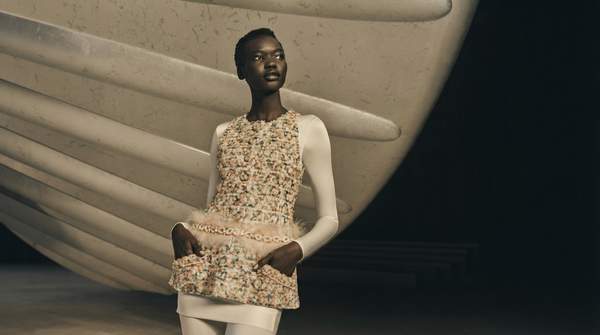
Kylie Jenner, the face of the Meta Glasses launch campaign, has posted three dedicated Instagram slideshows that have accumulated a total of 5.5 million likes, showcasing how aspirational branding is driving adoption for emerging wearable tech. These smart glasses, functioning as personal HMI systems and near-eye displays, represent a significant trend for the fashion industry in 2026. Immediate and massive engagement signals a significant shift in how wearable technology is being perceived and adopted by the mainstream consumer.
Smart glasses have long been seen as futuristic tech, but Meta is successfully selling them as everyday fashion accessories, creating a tension between utility and style.
Based on Meta's early marketing success, the fashion industry is poised to become a critical gateway for mass adoption of wearable technology, potentially reshaping consumer expectations for all future smart devices.
The Numbers Behind Meta's Fashion Play
- Nearly 100,000 — Meta's @metaglasses Instagram account gained nearly 100,000 followers within 11 days of its launch, according to Glossy.
- 275 million — In the week surrounding their debut (June 22-28), Meta Glasses generated 275 million social media impressions, 9 million engagements, and 97,000 mentions, according to Glossy.
Metrics prove that by leveraging celebrity endorsement and social media virality, Meta has successfully generated unprecedented buzz for smart eyewear. Rapid follower growth and extensive social media activity demonstrate a strong, immediate consumer interest that bypasses traditional tech product launch curves.
From Tech Gadget to Accessible Accessory
The diverse range of Meta Glasses, offered through collaborations, positions them as mainstream fashion accessories. Pricing aims for broad consumer appeal rather than niche tech enthusiasts, reflecting accessibility.
| Product Line | Starting Price (USD) |
|---|---|
| Meta Glasses Starfire Kylie Edition | $399 |
| Ray-Ban Meta Wayfarer (Gen 2) | $379 |
| Oakley Meta Vanguard | $499 |

footnote: Prices according to Meta
The diverse range of styles and accessible price points firmly establish Meta Glasses as a mainstream fashion accessory, designed for broad consumer appeal. The strategy differentiates them from earlier smart glasses, which often carried higher prices and fewer style options.
Meta's Strategic Pivot: A Fashion House First
Meta launched Meta Glasses by positioning the product as a fashion house, collaborating with stylists and figures such as Kylie Jenner, according to Glossy. The approach bypasses traditional tech product launches that typically focus on specifications and features.
Eva Chen, VP of fashion at Meta, stated that Meta essentially has its own accessories line now and is working to bring the Glasses to the fashion industry. The explicit declaration underscores a deliberate shift from tech company to fashion innovator. Meta is intentionally bypassing traditional tech adoption cycles by leveraging fashion's influence and celebrity power to normalize wearable technology, making style the primary selling point.
The Future of Fashion-Tech Convergence
Companies attempting to mainstream new wearable tech must recognize that Meta's success with smart glasses, evidenced by Kylie Jenner's 5.5 million likes and 275 million social media impressions, proves that aspirational lifestyle branding and celebrity influence are now more critical than technical innovation alone for overcoming consumer skepticism.
- Kylie Jenner's individual Instagram posts, accumulating 5.5 million likes, significantly outpace the entire brand's social media engagements of 9 million in a week, indicating that direct celebrity endorsement is a more potent driver of immediate, high-quality engagement for fashion-tech products than broad campaign reach.
- In the week surrounding their debut (June 22-28), Meta Glasses generated 275 million social media impressions, 9 million engagements, and 97,000 mentions, according to Glossy.
Successful integration of smart technology into mainstream fashion could redefine how future wearable devices are designed, marketed, and adopted by consumers globally. The focus shifts from raw computing power to seamless aesthetic and cultural integration, influencing consumer expectations for new devices.
Beyond the Hype: Lessons for Innovators
- Companies attempting to mainstream new wearable tech must recognize that Meta's success with smart glasses, evidenced by Kylie Jenner's 5.5 million likes and 275 million social media impressions, proves that aspirational lifestyle branding and celebrity influence are now more critical than technical innovation alone for overcoming consumer skepticism.
- Meta's strategic decision to treat smart glasses as an 'accessories line' through Eva Chen, VP of fashion, rather than a pure tech product signals a shift: the future of consumer tech adoption hinges on integrating seamlessly into fashion and culture, with price points reflecting perceived style value over raw utility.
- The rapid growth of the @metaglasses Instagram account, gaining nearly 100,000 followers in 11 days, indicates that Meta has successfully cultivated a 'fashion house' identity for its smart glasses, suggesting that tech companies can bypass traditional tech review cycles by directly appealing to style-conscious consumers through celebrity-driven social media campaigns.
- Kylie Jenner's individual Instagram posts, accumulating 5.5 million likes, significantly outpace the brand's total social media engagements of 9 million in a week, highlighting the outsized impact of direct celebrity endorsement for fashion-tech products.
Meta Glasses launch demonstrates that for consumer-facing technology, cultural relevance and aesthetic appeal can be as crucial, if not more so, than raw technical capability for achieving mass market success. By Q3 2026, Meta's strategy with Meta Glasses will likely influence how other wearable HMI systems are introduced to the market, prioritizing fashion integration over purely technical demonstrations.