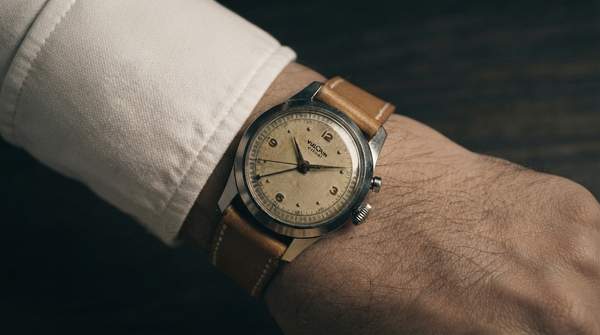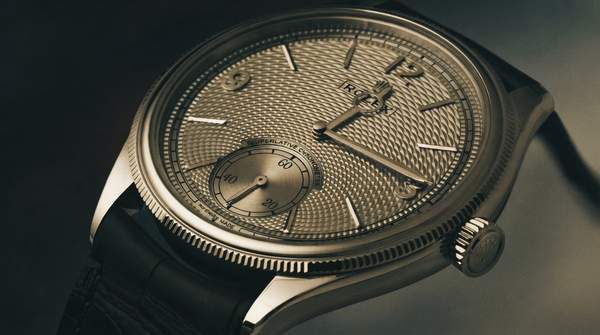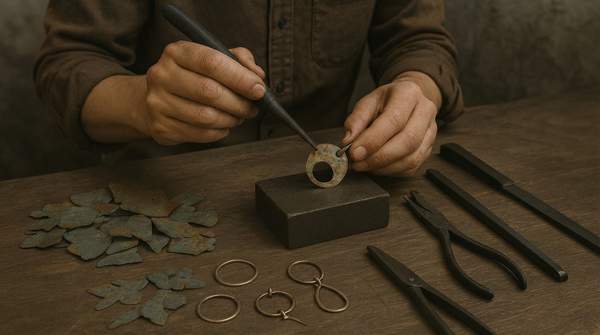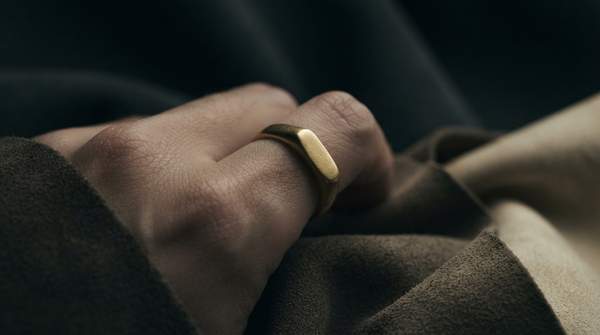
All 18K gold shares one foundation: 75 percent pure gold, a standard that gives the metal much of the richness of 24K while the remaining 25 percent of alloying metals provides workability and durability. What separates yellow, white, and rose 18K gold is not the gold content but that alloying quarter — and with it, real differences in color, feel, and, most consequentially for buyers, long-term maintenance. White gold, unlike its yellow and rose siblings, depends on a rhodium plating that wears off and must be renewed.
Understanding 18K Gold Purity and Alloys
As the jewelry educator Whiteflash explains, 18K gold is a popular option for fine jewelry precisely because it is 75 percent pure gold, retaining much of the richness that less pure alloys may not. It also has slightly greater density than lower-purity alloys, giving it a more solid feel on the hand. Brilliant Earth, a fine jewelry retailer, adds that this higher precious metal content produces a richer color than other karat types, which has made 18K especially popular for significant pieces such as engagement rings and heirloom jewelry — though that same gold content brings increased softness compared with lower karats.
18K Yellow Gold: Classic Luster and Composition
Yellow is the default expression of gold: a warm, rich tone that closely resembles pure gold itself. Its color comes from the balance of silver and copper alloyed with the gold, and slight variations in that silver-to-copper ratio can subtly alter the shade from piece to piece. Crucially, yellow gold's color is permanent — no plating is involved — so what you see at purchase is what the metal itself looks like beneath any scratch or scuff. Like all 18K gold, it carries the slightly greater density of the 75 percent standard, contributing to that substantial, solid feel that many buyers associate with fine jewelry.
18K White Gold: Modern Elegance and Plating Needs
White gold is where the trade-offs begin. According to Whiteflash, white gold items are generally electro-plated with rhodium in the finishing stages of production to give them a bright white luster; rhodium, a member of the platinum family, is the whitest precious metal after silver, and the plating also acts as a hard skin providing additional scratch resistance. Without that plating, the underlying alloy can appear a dull grey or yellowish-white. Composition varies: some 18K white gold alloys pair roughly 15 percent palladium with 10 percent silver, while others use nickel, zinc, and copper.
The jewelry house DEEVE reports that nickel-based white gold is harder — around 160–180 HV — with a cooler, steelier tone, but causes allergic reactions in an estimated 10–20 percent of people and is restricted under EU jewelry regulations; palladium-based alloys are generally considered the more skin-friendly option.
18K Rose Gold: Romantic Hue and Unique Patina
Rose gold takes its distinctive pinkish-romantic hue from a copper-rich alloy, the same 75 percent gold foundation recast toward warmth. Like yellow gold, it involves no plating, so its color is permanent. Its one distinctive long-term behavior is a developing patina: DEEVE's guidance notes that a patina may form over years of wear, which can be removed with professional polishing if the wearer prefers the original tone. Many owners embrace the aged look as character rather than damage. For buyers with sensitive skin, the same caveat applies as with any alloy: specific reactions depend on the individual and the exact, often proprietary, composition of the particular mix.
18K Gold Alloys: A Comparative Table
The table below gathers the three alloys side by side across the attributes that drive a purchase decision: appearance, feel, typical alloying metals, and upkeep. Reading across the rows makes the central trade-off visible — yellow and rose gold offer permanent, un-plated color, while white gold offers the bright modern finish that requires periodic renewal.
| Property | 18K Yellow Gold | 18K White Gold | 18K Rose Gold |
|---|---|---|---|
| Appearance | Rich, warm yellow tone closely resembling pure gold | Bright white, silvery finish from rhodium plating; unplated alloy can look dull grey or yellowish-white | Distinctive pinkish-romantic hue from copper-rich alloy |
| Feel / density | Slightly greater density than lower-purity alloys; solid feel | Same 18K density standard; rhodium skin adds scratch resistance | Same 18K density standard; solid feel |
| Typical alloy metals (beyond 75% gold) | Silver and copper; ratio variations subtly shift the shade | Approximately 15% palladium + 10% silver, or nickel, zinc, and copper; nickel versions run harder at 160–180 HV | Copper-dominant alloy |
| Maintenance | Cleaning with mild soap and warm water; professional polish optional; no plating, permanent color | Rhodium re-plating roughly every 1–3 years depending on wear and body chemistry; avoid chlorine and abrasives | Same cleaning routine as yellow; patina may develop over years, removable via professional polishing; no plating |
Long-Term Care and Maintenance for Your 18K Gold Jewelry
Maintenance is where the three alloys genuinely diverge. Yellow and rose gold ask only for routine cleaning — DEEVE recommends mild soap and warm water every one to two weeks, with an annual professional polish optional — and, in rose gold's case, an occasional decision about whether to polish away patina. White gold is different: because rhodium plating wears off in places over time, keeping the bright white look means re-plating, which Whiteflash describes as a fairly simple process routinely done whenever a piece is repaired or re-polished. How often depends on the conditions in which the jewelry is worn and the body chemistry of the wearer; DEEVE's guideline is every one to three years, and it advises keeping white gold away from chlorine and abrasives, which accelerate plating wear.
Making Your Choice: Which 18K Gold is Right for You?
Choose the 18K gold alloy that aligns with your aesthetic preference, desired feel, and commitment to long-term maintenance, particularly considering the re-plating needs of white gold. If you want a permanent, classic color with minimal upkeep, yellow gold is the straightforward choice; if a warm, distinctive tone appeals and you can accept (or welcome) a slow patina, rose gold fits; if you want the bright, silvery modern look, white gold delivers it — on the condition that you budget for rhodium re-plating every one to three years and, if your skin is sensitive, ask your jeweler whether the alloy is palladium- or nickel-based. The measurable indicator of a well-made choice is simple: the chosen jewelry piece maintains its desired appearance and integrity over time with appropriate care.