At temperatures soaring between 750°C and 850°C (1380°F-1560°F), powdered glass fuses onto metal, creating the vibrant, glossy surface of fine enameled jewelry. This intense heat, crucial for durable, lustrous works, belies enameling's apparent simplicity. It is a demanding craft, requiring precise, multi-stage processes that few modern manufacturing methods can replicate. Given its enduring techniques and specialized skill, enameling will likely remain a cherished, high-value art form in fine jewelry, resisting full automation. Companies investing in enameled jewelry implicitly endorse a craft demanding rare mastery over extreme heat.
The Fiery Fusion: What is Enameling?
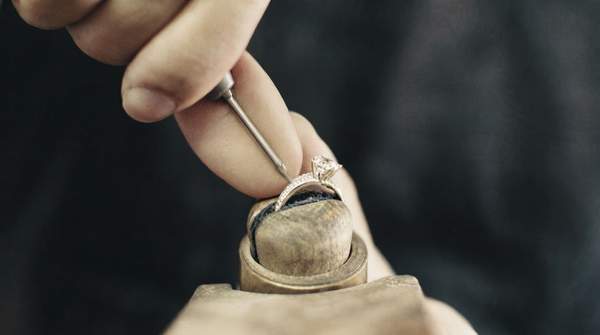
Enamelwork fuses powdered glass to a substrate through intense heat, producing a glossy finish, as described by the luminous craft of enamelwork. This complex procedure extends beyond mere application. Artisans apply glass powder into a channel, fire it in a kiln, smooth the surface, and repeat these steps until the desired finish appears, notes ancient techniques in modern jewelry design. The common understanding of enameling as a simple coloring technique significantly underestimates the intricate, high-temperature craftsmanship involved; its vibrant finish masks a labor-intensive commitment to perfection.
Mastering the Surface: Champlevé, Cloisonné, and Plique-à-jour
Three primary enameling techniques define the craft: champlevé, cloisonné, and plique-à-jour. Cloisonné requires artisans to create intricate metal compartments for the enamel, explains the luminous craft of enamelwork. Champlevé involves carving recesses into the metal, then filling them. Each method yields distinct visual textures and light effects. Plique-à-jour represents a pinnacle of mastery. Resembling cloisonné, it uniquely omits the metal backing, producing a translucent, stained-glass effect. This technique defies expectations of fragility, as the unsupported glass withstands firing between 750°C and 850°C. Such innovation pushes material science and artistic risk, distinguishing master jewelers who achieve these delicate, unsupported structures.
Beyond the Basics: Nuances in Enamel Application
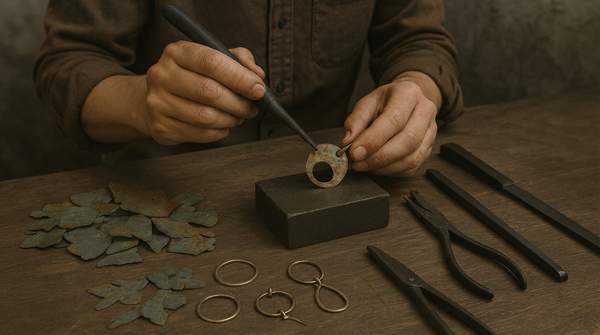
Enamel application involves specific nuances beyond basic surface preparation. Artisans apply enamels wet or dry, with wet packing being common, according to the history of enameling techniques. Another technique layers transparent enamel over opaque white to achieve profound depth and luminosity, notes ancient techniques in modern jewelry design. These methods enable a wide range of aesthetic outcomes and practical considerations. The true mastery of enameling orchestrates a multi-stage chemical and physical transformation, where nuanced techniques like layering are critical for specific visual effects and artistic control.
Why Enameling Endures: Artistry and Legacy
Enameling's enduring appeal stems from its ability to produce vibrant, intricate, and durable art, connecting contemporary craftsmanship with ancient traditions. Each piece carries a unique artisanal signature, making it a cherished component of haute joaillerie, due to the painstaking, multi-stage process. Artisans mastering these demanding techniques create a vibrant beauty that mass-produced jewelry cannot replicate. The art form thus serves as a benchmark for handcrafted excellence and artistic dedication.
Common Questions About Enameling
What is the history of enameling in jewelry?
Enameling techniques have a rich history spanning thousands of years, with some of the earliest examples found in ancient Egypt and Mycenaean Greece. By the Byzantine Empire, cloisonné enamel became highly sophisticated, adorning religious artifacts and imperial regalia. The art form saw resurgences in the Renaissance, Art Nouveau, and Art Deco periods, each era adding distinct stylistic interpretations to the craft.
What metals are suitable for enameling?
The most common metals for enameling include copper, silver, and gold due to their malleability and ability to withstand high firing temperatures without excessive oxidation. Specific alloys are often chosen for their compatibility with enamel, minimizing issues like cracking or bubbling during the firing process. Steel and aluminum are also sometimes enameled, but require different preparation and firing conditions.
What are modern enameling techniques for jewelry?
Modern enameling techniques often incorporate advanced tools and materials while retaining traditional craftsmanship principles. Contemporary artists experiment with new colors, textures, and even cold enamels (resins) that do not require firing. However, the core methods of fusing glass to metal through extreme heat, as seen in traditional vitreous enameling, remain central to fine jewelry applications in 2026.
As major houses like Cartier continue to feature enameled pieces, with new high-jewelry launches expected by late 2026, enameling appears poised to maintain its status as a high-value art form, defined by its intricate processes and the irreplaceable skill of its artisans.