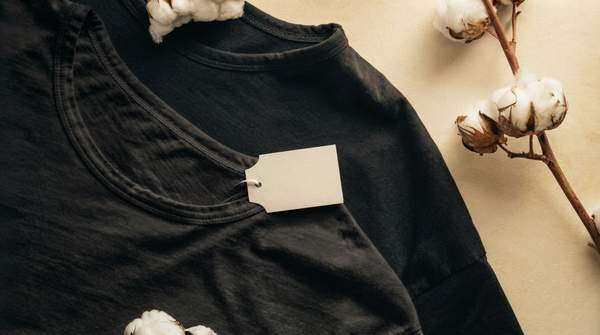
Annually, the equivalent of one garbage truck of textiles is landfilled or incinerated every second globally. This staggering volume of waste exposes a severe environmental burden, yet a growing segment of consumers now prioritize ethical sourcing over price, seeking more responsible choices in their wardrobes. This contrast, I find, reveals a profound disconnect between consumer intent and industrial output.
The fashion industry's environmental footprint is immense, contributing significantly to global pollution and resource depletion. However, its cultural power is increasingly harnessed to advocate for climate justice, utilizing its influence to shape public discourse and consumer behavior. This dual nature presents both a complex challenge and a unique opportunity for change.
I believe the industry's cultural influence will likely prove more effective in shifting consumer behavior and policy towards sustainability than traditional advocacy alone. My analysis suggests this cultural influence, if genuinely applied, could be a powerful catalyst for systemic transformation in the ongoing climate justice movement.
The fashion industry accounts for 10% of global carbon emissions, more than international flights and maritime shipping combined, according to the UN Environment Programme (2018). This statistic alone reveals the immense environmental impact of an industry so deeply woven into daily life. Yet, a global survey found 67% of consumers consider sustainable materials an important purchasing factor, according to Fashion Revolution (2023). This consumer demand is echoed in the industry's own evolution; major fashion weeks increasingly feature designers focused on upcycling and ethical production, according to Vogue Business, actively shifting industry narratives. This dynamic reveals fashion's immense capacity for both environmental harm and transformative cultural influence, proving its power to set trends extends to shaping societal values around sustainability and climate justice.
Cultural Shifts for a Sustainable Fashion Future
Gen Z consumers are 3x more likely to buy from sustainable brands than older generations, influencing market demand, according to Deloitte Consumer Survey (2022). This demographic shift fuels a powerful consumer-driven push for more ethical practices. Influencer marketing campaigns on platforms like TikTok and Instagram increasingly promote second-hand fashion and conscious consumption to millions, according to Business of Fashion, further amplifying this message across digital channels.
Brands like Patagonia and Stella McCartney have built their entire identity around sustainability, proving profitability in ethical models, according to Company Reports. Their success proves that prioritizing environmental and social responsibility can align with commercial viability. This shift is critical as the rise of 'circular fashion' initiatives, including rental and repair services, is projected to grow 15% annually by 2027, challenging linear consumption, according to ThredUp Resale Report. The projected 15% annual growth of 'circular fashion' initiatives signals a fundamental re-evaluation of how we interact with our clothes, moving from ownership to access.
These trends mark a powerful cultural pivot, redirecting fashion's aspirational appeal towards environmental and social responsibility. The industry's inherent power to create desire, I find compelling, is now channeling into driving positive change, forging a path where style and sustainability can coexist.
The Persistent Shadow of Fast Fashion
Despite growing awareness of environmental concerns, fast fashion giants continue to expand, with some reporting record profits due to high volume and low prices, according to Zara Annual Report (2023). This ongoing expansion proves that economic drivers still often outweigh sustainability pledges. Worse, only 1% of clothing is recycled into new garments, with the vast majority ending up in landfills or incinerated, according to the Ellen MacArthur Foundation (2017), exposing a severe bottleneck in waste management, a critical failure point that undermines any claims of true circularity.
Garment workers in developing countries often face exploitative conditions, low wages, and unsafe environments, a stark indictment of social justice failures, according to Clean Clothes Campaign. This human cost remains a stark reminder of the ethical compromises within the fast fashion model. Compounding this, greenwashing remains a significant issue, with 40% of sustainability claims by fashion brands found to be misleading (2021), according to Changing Markets Foundation, eroding consumer trust and hindering genuine progress.
While cultural shifts are promising, the systemic issues of overproduction, waste, and social inequality within the fast fashion model remain formidable obstacles. These figures, I contend, clearly illustrate that without fundamental changes to business models, the industry's sustainability efforts risk being overshadowed by its inherent drive for volume and profit.
Beyond Trends: Fashion's Role in Systemic Climate Justice
Fashion's engagement with indigenous communities is growing, leading to collaborations that respect traditional knowledge and sustainable practices, according to Cultural Survival. These partnerships forge a path towards honoring heritage and integrating sustainable methods rooted in long-standing ecological wisdom. Beyond cultural exchange, advocacy groups are utilizing fashion's visibility to push for policy changes, such as extended producer responsibility laws for textiles, according to Fashion Act NY, aiming for legislative solutions that hold brands accountable for their entire product lifecycle.
Educational institutions actively integrate sustainable design and ethical supply chain management into fashion curricula, training a new generation, according to Parsons School of Design. This educational shift actively prepares future industry leaders to prioritize sustainability from the outset of their careers. Furthermore, the concept of 'degrowth' in fashion, prioritizing quality and longevity over quantity, is gaining traction among avant-garde designers and theorists, according to Fashion Studies Journal, challenging the very premise of endless consumption.
The industry's cultural power extends beyond consumer choices, influencing education, policy, and even philosophical approaches to consumption, thereby fostering systemic change for climate justice. This, I see, is a critical development, moving beyond individual purchasing decisions to impact the very foundations of how fashion is conceived, produced, and consumed globally.
One garbage truck of textiles landfilled every second demonstrates that the fashion industry's current sustainability narratives are largely insufficient, exposing a critical gap between brand promises and environmental impact that demands immediate regulatory intervention, not just voluntary pledges. Companies utilizing fashion's cultural influence for climate justice without fundamentally redesigning their supply chains and business models risk alienating an increasingly informed consumer base, ultimately trading short-term brand appeal for long-term irrelevance in a truly sustainable economy. By Q3 2026, major fast fashion retailers like Zara will face increased scrutiny from both consumers and policymakers if they fail to demonstrate concrete progress in reducing their textile waste footprint.